Wedding Speeches: The Traditional Order and Modern Alternatives

Wedding speeches are often the most memorable part of the day. They bring laughter, a few tears and a chance for the people closest to you to share what you mean to them. But who speaks, and in what order? And do you have to stick to tradition at all? Here's how wedding speeches usually run, and the modern alternatives couples choose today.
Here's a guide to the traditional order of wedding speeches in the UK, what each speech usually covers, and some modern alternatives for couples who want to do things their own way.
The traditional order of wedding speeches
In a traditional British wedding, there are three main speeches, usually given after the meal:
- The father of the bride (or host). Welcomes everyone, thanks guests for coming, says a few words about the bride, welcomes the groom into the family and finishes with a toast to the couple.
- The groom. Thanks the father of the bride for his words, thanks both families, guests and the wedding party, pays tribute to his new wife and toasts the bridesmaids.
- The best man. Thanks the groom on behalf of the bridesmaids, shares funny and heartfelt stories about the groom, reads any messages from absent friends and toasts the newlyweds.
This order works well because it moves from a formal welcome to the most light-hearted speech, ending on a high just before the party starts.
What each speech usually includes
Father of the bride:
- A welcome to both families and all the guests.
- Thanks to anyone who helped with or paid for the wedding.
- Stories and memories of the bride growing up.
- A warm welcome to the groom and his family.
- A toast to the bride and groom.
The groom:
- Thanks to the father of the bride for his speech.
- Thanks to both sets of parents and to guests for coming, especially anyone who travelled far.
- Thanks to the bridesmaids, best man, ushers and anyone who helped.
- A few words about the bride and their story together.
- A toast to the bridesmaids.
The best man:
- Thanks on behalf of the bridesmaids.
- Funny (but kind) stories about the groom.
- Some sincere words about the couple.
- Messages from guests who couldn't attend.
- A final toast to the newlyweds.
Modern alternatives to the traditional order
More and more couples are changing the line-up to suit their families and relationships. There are no rules, so choose whatever feels right for you.
- The bride speaks. Many brides now give a speech, either on their own or alongside their partner. It's a lovely chance to thank people in your own words.
- A joint speech from the couple. You speak together, taking turns. It halves the nerves and gives a balanced thank you.
- Mother of the bride or both parents. Either replacing or joining the father of the bride, especially where parents have shared the planning.
- The maid of honour or best woman. Speaking alongside or instead of the best man, with stories about the bride.
- Two best men or a joint best man speech. Common when the groom can't choose between two close friends or brothers.
- Someone special. A grandparent, sibling, godparent or close friend who has played a big part in your lives.
- Same-sex weddings. Couples often choose a parent from each side, plus a best man or best woman for each partner.
When to have the speeches
- After the meal. The traditional choice. Guests are relaxed and well fed, and it leads nicely into cutting the cake.
- Before the meal. Popular with nervous speakers, who can then relax and enjoy their food.
- Between courses. Spreading speeches out keeps energy up and stops one long block of talking.
Speak to your venue and caterer whichever you choose, as it affects their timings in the kitchen.
How long should wedding speeches be?
As a guide, aim for around five to ten minutes per speech, and no more than 30 to 40 minutes for all the speeches together. Guests love a heartfelt or funny speech, but attention starts to drift after that. Ask speakers to time themselves when they practise.
Tips for great wedding speeches
- Start early. Give speakers plenty of notice so they can write and practise without stress.
- Know your audience. Keep jokes suitable for grandparents and children. Avoid ex-partners and stories that could embarrass anyone.
- Keep notes short. Bullet points on cue cards are easier to follow than a full script on a phone.
- Practise out loud. Reading it aloud a few times helps with timing and nerves.
- Go easy on the drinks. One glass for courage is fine. Several is risky.
- Use a microphone. Even in a small room, it makes sure everyone at the back can hear.
- End with a toast. It gives every speech a clear finish and brings the whole room together.
Remembering loved ones
Speeches are a natural moment to remember family and friends who can't be there. A short, gentle mention, a moment of reflection or a toast to absent loved ones can be very moving. Agree beforehand who will do this, so it isn't mentioned twice.
Let guests know when the speeches are
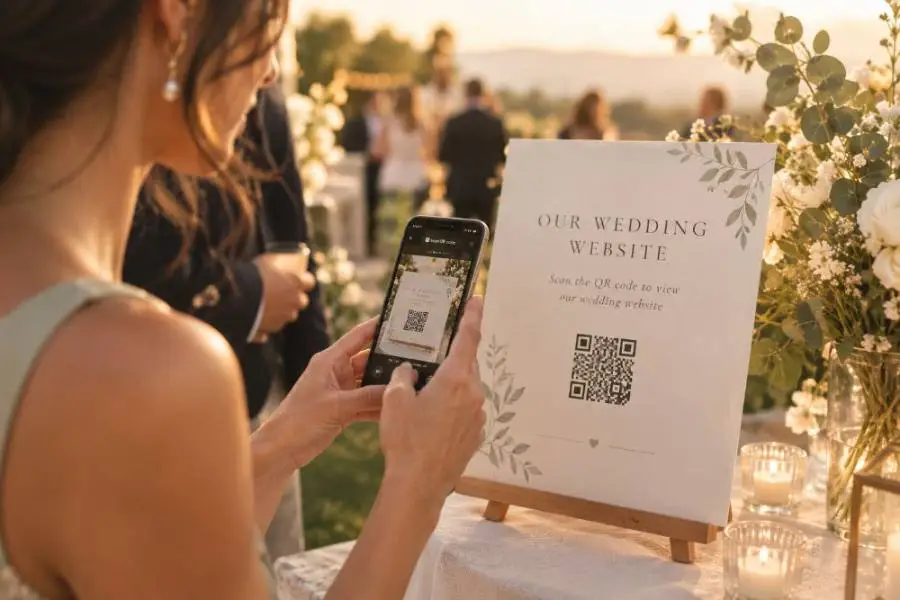
Add the speeches to the order of the day on your wedding website so guests know when to be seated and ready. You can see how they fit into a typical day in our wedding day timeline example.
Ready to share all your wedding details in one place? Build your wedding website with Personal Wedding Website and give guests everything they need, from the ceremony to the final toast.
Wedding speeches: your questions answered
How long should wedding speeches be?
Aim for around five minutes each, and no more than 20 to 30 minutes in total.
Should wedding speeches be before or after the meal?
Either works. Speeches before the meal let speakers relax and enjoy their food, while after the meal is more traditional.